Top Strategies for Children’s Piano Tuition and Piano Basics for Children
- mslaitheory
- 4 hours ago
- 4 min read

Learning piano is a wonderful journey, especially for young beginners. It opens doors to creativity, discipline, and joy. When I first started teaching, I quickly realized that the right strategies make all the difference. Whether you’re a parent or a beginner yourself, understanding the best ways to approach piano lessons can set the stage for success. Let’s explore some top strategies that can help children thrive in their piano learning adventure.
Understanding Piano Basics for Children
Starting with the basics is essential. Children need a solid foundation to build their skills confidently. I always emphasize the importance of familiarizing young learners with the piano itself. This means getting to know the keys, understanding the layout, and learning simple finger positions.
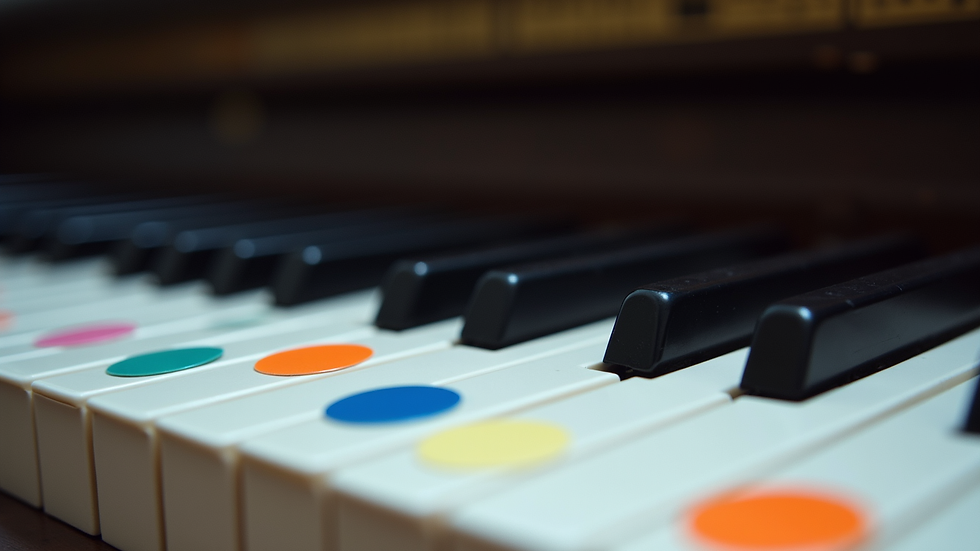
One effective way to introduce piano basics is through fun, interactive activities. For example, you can use colorful stickers on the keys to help children remember notes. This visual aid makes the learning process less intimidating and more engaging. Also, teaching children to recognize the difference between white and black keys early on helps them grasp the keyboard’s structure.
Another key aspect is posture and hand position. Encouraging children to sit properly and place their fingers correctly prevents bad habits and potential strain. I often remind my students to keep their wrists relaxed and fingers curved, like they’re gently holding a small ball. This simple imagery helps them maintain the right form.
Remember, patience is vital. Children learn at different paces, and it’s important to celebrate small victories along the way. Starting with short, focused practice sessions keeps their interest alive without overwhelming them.
Creating a Positive Learning Environment
A warm and encouraging atmosphere can make all the difference in a child’s piano journey. I always strive to create a space where children feel safe to make mistakes and explore music freely. Positive reinforcement is key here. Praising effort rather than perfection helps build confidence and motivation.
Setting up a dedicated practice area at home can also boost progress. This space should be quiet, well-lit, and free from distractions. Having the piano easily accessible encourages regular practice, which is crucial for steady improvement.
Involving the whole family can be a wonderful support system. When parents show interest and celebrate their child’s progress, it reinforces the value of learning. Simple things like attending recitals or listening to their practice sessions can make children feel proud and motivated.
Using a variety of teaching materials keeps lessons fresh and exciting. Incorporating games, apps, and music books tailored for children adds variety and caters to different learning styles. This approach helps maintain enthusiasm and prevents lessons from becoming monotonous.
How much does piano tuition cost?
Understanding the cost of piano tuition is important for planning. In Jurong Lakeside, Singapore, prices can vary depending on the teacher’s experience, lesson length, and whether the lessons are private or group sessions.
Typically, private piano lessons range from SGD 40 to SGD 80 per hour. Some academies offer packages or discounts for multiple lessons booked in advance. Group lessons might be more affordable but offer less individual attention.
It’s worth considering the value of quality tuition. Investing in a skilled teacher who can provide structured, ABRSM-focused education often leads to better progress and a more enjoyable learning experience. At Ms Lai Music Academy, for example, the focus is on nurturing a love for music while preparing students for recognized exams, which adds great value.
Additionally, some costs to keep in mind include purchasing a keyboard or piano for home practice, music books, and possibly exam fees if your child chooses to take graded tests.
Encouraging Consistent Practice and Progress Tracking
Practice is the heart of learning piano. But how do we encourage children to practice regularly without it feeling like a chore? I find that setting achievable goals and tracking progress works wonders.
Start with short practice sessions, around 10 to 15 minutes daily. This keeps the child engaged and prevents fatigue. Gradually increase the duration as their stamina and interest grow. Using a practice chart or calendar can help children visualize their progress and feel a sense of accomplishment.
Breaking down pieces into smaller sections makes practice manageable. Instead of tackling an entire song at once, focus on mastering a few bars before moving on. This method builds confidence and reduces frustration.
I also recommend mixing technical exercises with fun pieces. Scales and finger exercises improve dexterity, while familiar tunes keep the experience enjoyable. Variety is key to maintaining enthusiasm.
Regular feedback is important too. Celebrate improvements and gently guide corrections. This balance helps children stay motivated and understand that learning is a process.

Making Music Theory Fun and Accessible
Music theory might sound daunting, but it’s an essential part of piano education. I always aim to make theory lessons engaging and relatable for children. Using stories, games, and visual aids helps demystify concepts like rhythm, notes, and scales.
For example, teaching rhythm through clapping games or using simple percussion instruments can make abstract ideas tangible. Flashcards with note names and symbols turn memorization into a fun challenge.
Integrating theory with practical playing reinforces understanding. When children see how theory applies to the pieces they play, it becomes more meaningful. This approach also prepares them well for ABRSM exams, which include theory components.
Encouraging questions and curiosity about music helps children develop a deeper appreciation. When they understand the ‘why’ behind what they play, their connection to music grows stronger.
Supporting Your Child’s Musical Journey
Every child’s musical path is unique. As a teacher, I believe in tailoring lessons to each learner’s interests and pace. Whether your child dreams of playing classical masterpieces or modern tunes, supporting their passion is vital.
Encourage exploration by introducing different music styles and composers. This broadens their musical horizons and keeps lessons exciting. Attending local concerts or watching performances online can inspire and motivate young pianists.
Remember, progress is not always linear. There will be challenges and plateaus, but with patience and encouragement, children can overcome them. Celebrate every milestone, no matter how small.
If you’re looking for quality children piano tuition in Jurong Lakeside, Singapore, consider finding a teacher or academy that focuses on nurturing a love for music alongside technical skills. This balanced approach makes learning piano a joyful and rewarding experience.
Learning piano is a beautiful gift that lasts a lifetime. With the right strategies, patience, and support, children can develop not only musical skills but also confidence and creativity. I hope these tips inspire you to embark on or continue this wonderful journey with enthusiasm and joy. Happy playing!
Comments